

The Essential Benefits of Fitness
The benefits of fitness go far beyond physical appearance. By regularly incorporating exercise into daily life, the body becomes stronger, more enduring, and more resistant to fatigue. Fitness also helps release tension, reduce stress, and improve sleep quality, which has a direct impact on mood and self-confidence. Finally, by adopting a suitable exercise routine, anyone can maintain long-term health, prevent many illnesses, and feel more energetic day by day.
In this article, you will find a detailed look at the benefits of fitness.
Enhanced Cardiovascular Health
Regular movement helps lower blood pressure, improve blood circulation, and reduce the risk of cardiovascular diseases. The heart becomes more efficient, and you feel less winded during daily activities.
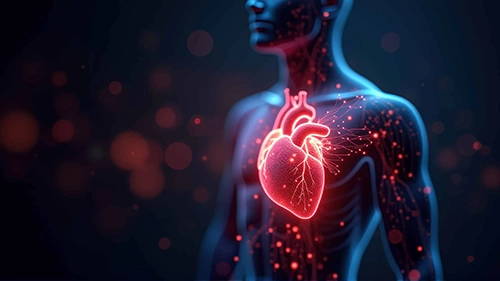
To go a bit deeper, improving cardiovascular health also involves very concrete adaptations in the body. During regular fitness activities such as brisk walking, cycling, circuit strength training, or moderate HIIT—the heart gradually adapts. Over time, it learns to pump more blood with each beat, which lowers resting heart rate. This adaptation also makes sustained effort easier to tolerate and more comfortable in daily life, even when intensity increases slightly. Blood vessels become more flexible, which facilitates circulation and limits plaque buildup responsible for atherosclerosis. Combined with better weight management, this protective effect reduces the risk of heart attack, stroke, and high cholesterol.
These cardiovascular improvements also provide the brain with better oxygen supply, supporting concentration and mental clarity in daily life. This contributes to overall well-being, both physically and cognitively/emotionally.
Weight Management and Body Composition
Exercise increases energy expenditure, facilitates fat loss, and helps stabilize weight in the long term. At the same time, strength training helps maintain or build muscle mass.

Regular physical activity primarily affects weight by changing body composition. It’s not just the number on the scale that changes, but the balance between fat mass and muscle mass. By increasing your muscle mass through strength training, your basal metabolism slightly rises. This means you burn a bit more calories even at rest, without extra conscious effort during the day. Combined with endurance work like brisk walking, cycling, or running, this strengthens the body and promotes gradual fat loss. This approach is particularly effective for reducing abdominal fat while minimizing the muscle loss often seen with dieting alone.
In the long term, this improved body composition makes weight more stable and easier to maintain without major fluctuations. It also results in a firmer, more toned, and visibly healthier body even if the scale only shows moderate change.
Mental Well-Being and Stress Reduction
Exercise stimulates the production of endorphins and other neurotransmitters linked to well-being. This helps reduce stress, anxiety, and tension accumulated throughout the day. It can also improve sleep quality and self-confidence. Regular physical activity provides a sense of progress and control over your body and abilities.
Consistent fitness practice plays a key role in improving mental health and managing stress. By boosting endorphins, serotonin, and dopamine, exercise helps regulate daily mood. It also reduces anxiety and fosters lasting feelings of well-being after sessions. Physical activity contributes to lowering cortisol, the stress hormone, making both body and mind more resilient to daily pressures. At the same time, exercise improves sleep quality, strengthens self-esteem, and enhances focus. By setting goals and observing tangible progress, fitness becomes a true tool for personal development, reinforcing self-confidence and long-term mental balance, well beyond physical benefits alone.
Prevention of Premature Aging
By strengthening muscles, joints, and posture, fitness helps reduce back, knee, or shoulder pain, which is often linked to sedentary behavior and lack of regular movement. In the long term, it helps maintain mobility, balance, and independence, regardless of age. It also delays the natural loss of strength and flexibility that comes with aging.
Strength training preserves muscle mass, which naturally declines over the years. It also protects joints and the spine by providing better muscular support in daily life. By improving posture, stability, and balance, regular physical activity significantly reduces the risk of chronic pain. It also lowers the risk of falls and injuries related to a sedentary lifestyle and reduced muscle tone.